Hi,
One of my favorite genres to photography is the casting or model portfolio images. When an actor, model or musician has contacted me with a request for images we set up a Pinterest board to share ideas to create the mood and look they need for their portfolio. There are some key things to know about what an agency or casting director is looking for. I've put collated some top tips to help you and if you'd like to book a photoshoot with me to create your casting card please send me message on the link below.
Julietta x

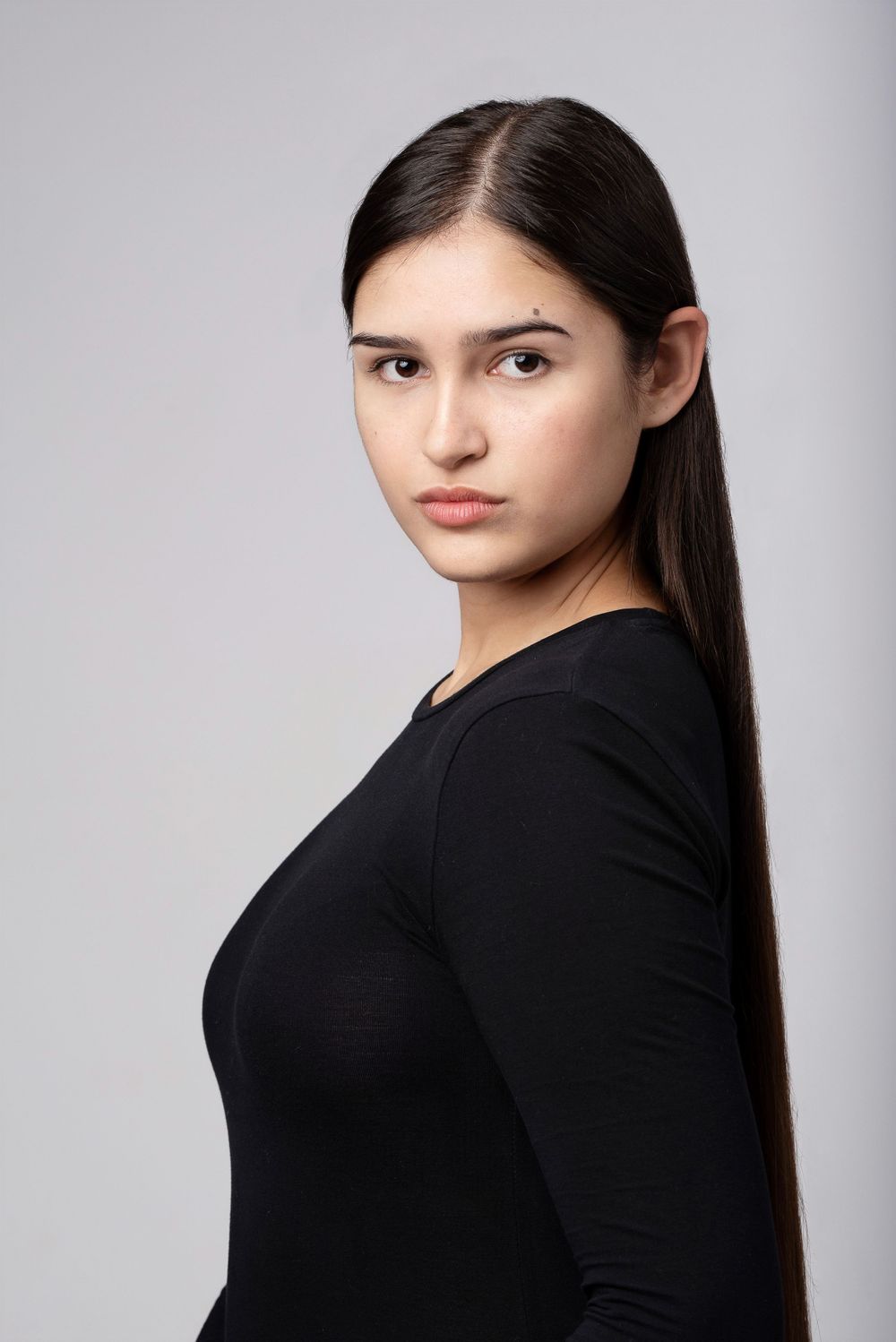
Creating a strong casting card (also known as a comp card or headshot card) is essential for actors applying for roles. A casting card serves as your first impression and should showcase your versatility, appearance, and acting skills. Here's how to create an effective casting card:
ENTER A SUBTITLE
Professional Photography
Professional photography is the cornerstone of a high-quality casting card portfolio. While smartphone cameras and amateur photography can produce decent images, they rarely meet the standards expected by casting professionals. Investing in a skilled photographer who specializes in headshots and portfolio photography is a step that actors cannot afford to skip.
Key Benefits
- Expert Lighting and Composition: Professional photographers have the technical expertise to use lighting, angles, and composition effectively. This ensures that an actor’s best features are highlighted while maintaining a natural and authentic appearance.
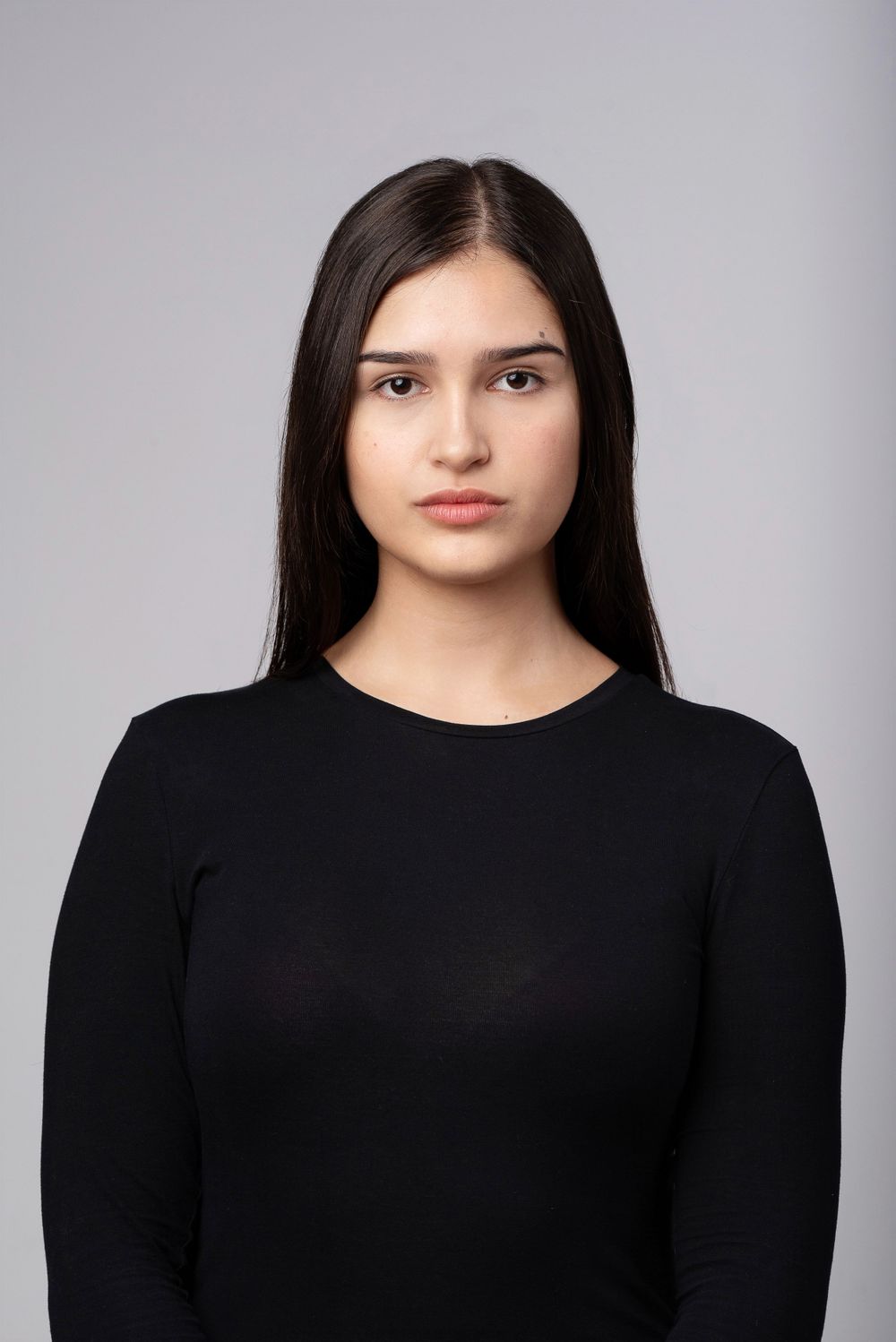
- Understanding Industry Standards: Experienced photographers understand what casting directors and agents look for in a headshot. They will guide the actor in creating images that align with these expectations, including specific dimensions, neutral backgrounds, and minimal retouching.
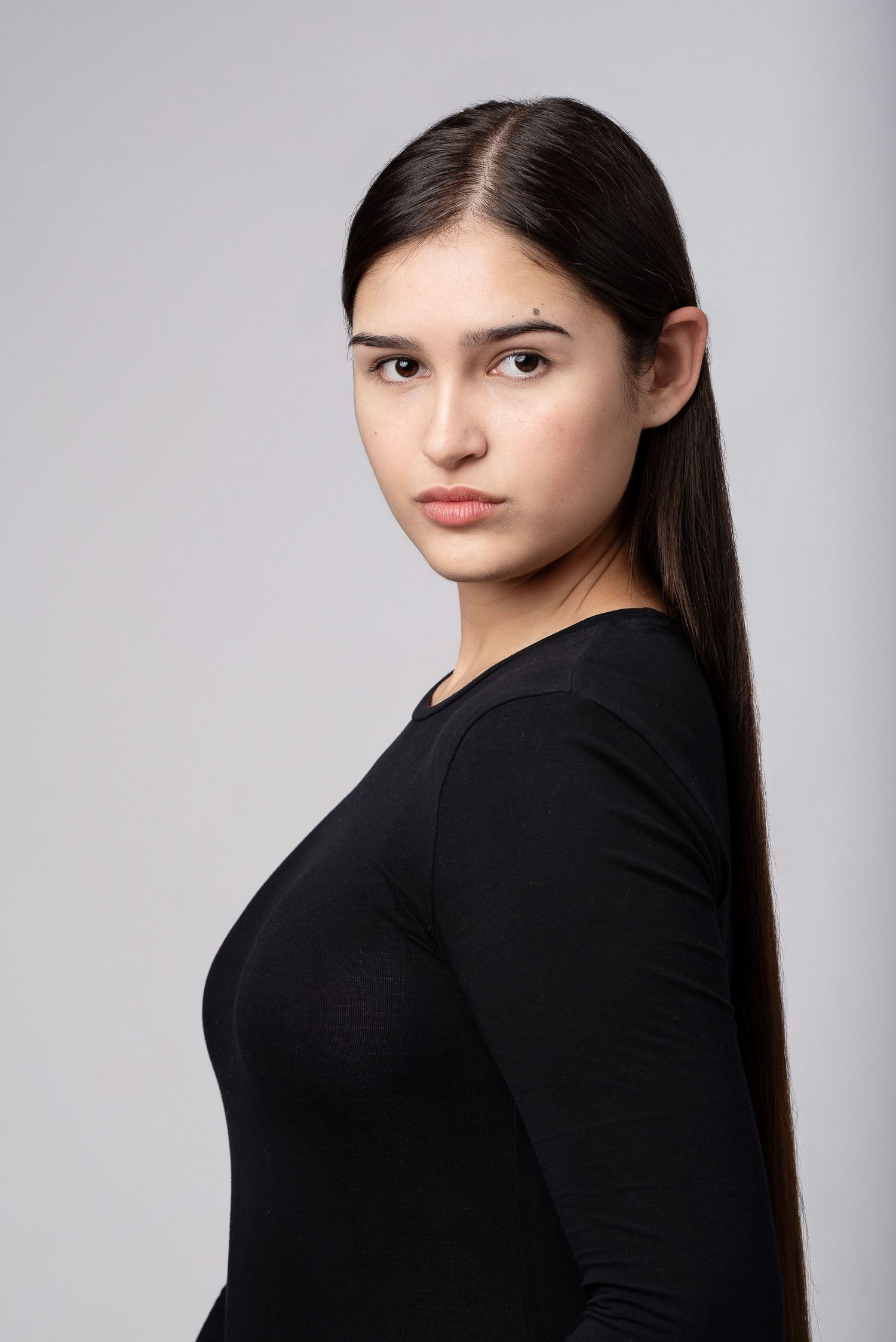
- Capturing Versatility: A professional photographer can help an actor showcase their range by taking shots in different looks, costumes, and expressions. For example, they might capture an actor in a casual look, a formal outfit, or even a period costume, depending on the type of roles the actor is targeting.
- Polished and Professional Appearance: High-resolution, professionally edited photos exude professionalism. They indicate that the actor is serious about their craft and willing to invest in their career.
.
Preparation:
I. Plan your look and outfit.
Actors should prepare a variety of outfits that reflect the types of roles they want to pursue. This might include:
- Casual wear for approachable or everyday roles.
- Formal attire for professional or elegant characters.
- Specific costumes if targeting niche roles, such as historical dramas or action films.
All clothing should be clean, well-fitted, and free of distracting patterns or logos.
II. Presentation.
Actors should arrive at the photoshoot well-groomed. This includes:
- Hair styled naturally or in a way that suits their typical look.
- Minimal, natural-looking makeup (for women) to enhance features without being overpowering.
- Clean-shaven or neatly groomed facial hair (for men).
Professional grooming helps ensure a polished final result and reduces the need for excessive editing.
III. Practice Expressions
Ipsum3 dignissim ultrices aliquam volutpat. Vel et suscipit et cras turpis. Ipsum dignissim ultrices aliquam volutpat. Vel et suscipit et cras turpis.
In the competitive world of acting, first impressions are crucial. A casting card portfolio serves as a vital tool to market an actor’s talents, showcasing their look, skills, and personality to casting directors and talent agencies.
Versatility Images (Optional): Add a few additional photos showing different looks or characters you can portray, such as casual, formal, or period costume.

Building the Casting Card Portfolio
Once the photoshoot is complete, the next step is to assemble the casting card portfolio. This involves selecting the best images and arranging them in a way that highlights the actor’s unique attributes.
- Headshot: The most important image in the portfolio, the headshot, should be clear, professional, and engaging. This image should capture the actor’s face in natural lighting with a neutral background.
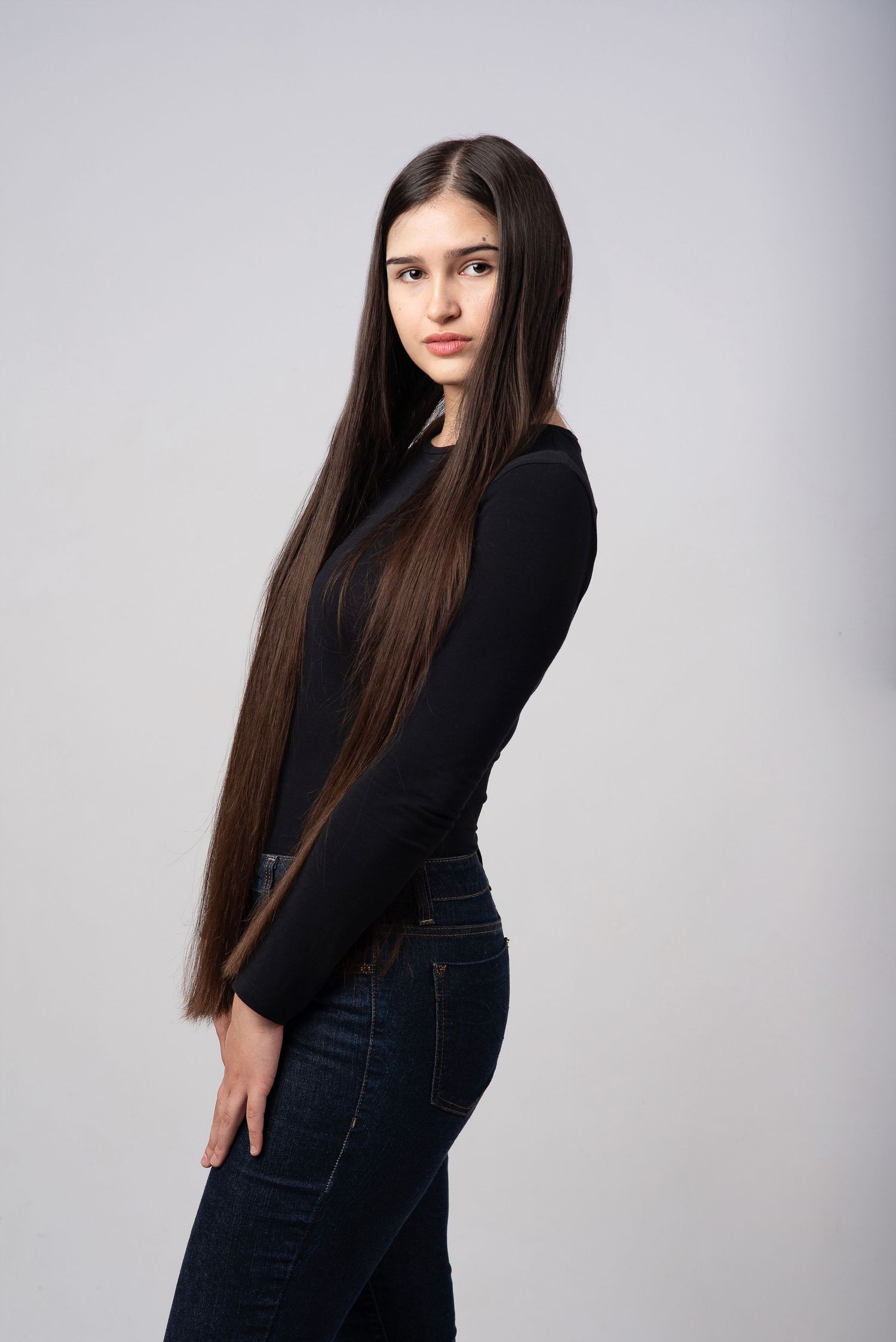
- Full-Body Shot: A full-body shot provides casting directors with an overview of the actor’s physique and posture. It’s especially important for roles where physicality is a key consideration.
- Diverse Looks: Including a few images that showcase the actor in different outfits or styles can demonstrate their range. For example, a period costume might highlight suitability for historical dramas, while a business suit could appeal for corporate roles.
- Essential Information: The portfolio should also include a section with the actor’s details, such as:
- Name
- Contact information (or agent’s details)
- Physical attributes (height, eye color, hair color, etc.)
- Union affiliations
Leveraging your portfolio to find work
01.
Submit to Casting Calls
Actors can use their portfolio to respond to casting calls posted on industry platforms, social media, or talent agency websites. Including the portfolio as an attachment or link can increase the likelihood of being noticed.
02.
Share with agencies
A strong portfolio can help actors secure representation with a talent agent. Agents often require visual proof of an actor’s marketability, and a professional portfolio provides exactly that.
03.
Online presence
Actors can use their portfolio to build an online presence, showcasing their work on personal websites or professional platforms like IMDb and Casting Networks.